But How Does Air Conditioning Actually Heat Your House Up?

When we say air conditioning can heat your home as well as cool it, one of the first questions we get is: “But how does air conditioning actually heat your house up?”

It’s a fair question. Most of us associate air conditioning with a lovely cool hotel room on holiday – not keeping the house cosy on a cold October morning. But modern air conditioning systems are actually air-to-air heat pumps, meaning they can work in both directions: cooling your home in summer and heating it during the colder months.

So, how does it work?

Think of it like a fridge… in reverse

Your fridge doesn’t actually create cold. Instead, it takes heat from inside the fridge and transfers it into the room – which is why the back of a fridge feels warm.An air conditioning system uses a similar process: during summer, the system absorbs heat from inside your property and transfers it outside.

When you switch it to heating mode, the process reverses. The outdoor unit absorbs heat energy from the outside air. Refrigerant and a compressor are then used to raise its temperature before that heat is transferred indoors, and the indoor unit circulates the warm air around your room.

And yes – there is still usable heat energy in the outside air even when it feels cold to us.

A designer high-wall unit of the upper mid-range with a versatile textile cover concept, maximum energy efficiency, and a WiFi module integrated as standard – it’s the Toshiba Haori.

So, it’s not just an electric heater?

No – and this is where things get interesting. A traditional electric panel heater, fan heater or plug-in radiator converts electricity directly into heat. Broadly speaking, 1kWh of electricity produces around 1kWh of heat.

A heat pump works differently because it uses electricity primarily to move existing heat from one place to another. This means an efficient air-to-air heat pump can deliver several units of heat for every unit of electricity it consumes, depending on the system and conditions.

That’s why air conditioning can be particularly attractive for households currently relying on direct electric heating.

Panasonic TZ super-compact with nanoe™ X technology – the perfect air conditioner for the smallest spaces in your home.

What actually happens when you turn it on?

Imagine you’ve walked into your home office on a chilly October morning.

You pick up the remote – or open the app on a Wi-Fi-enabled system – and set the temperature to 21°C. The system then draws heat energy from the outside air, increases its temperature through the refrigeration cycle and transfers that heat inside. The indoor unit distributes warm air around the room until your chosen temperature is reached.

Modern inverter-driven systems can then reduce their output rather than constantly switching between full power and off, helping to maintain a comfortable temperature efficiently. The result is fast, controllable heating exactly where you need it.

But does it work when it’s freezing outside?

Yes. Modern air-to-air heat pumps are designed to continue operating at temperatures below 0°C, although efficiency and heating output can reduce as outdoor temperatures fall.

That’s one of the reasons why choosing the right system and having it correctly sized is so important. At Carter Renewables, we can assess the size of your space, its heating requirements and how you plan to use the system before recommending an appropriate unit.

Where does it work best?

Air-to-air heating can be particularly useful for:

  • Home offices and garden rooms
  • Extensions and loft conversions
  • Bedrooms
  • Open-plan living spaces
  • Properties using electric panel heaters
  • Rooms that are difficult or expensive to connect to an existing central heating system

And there’s another fairly significant benefit: the same unit cools the room in summer. Instead of installing separate systems for winter heating and summer cooling, you’ve got year-round temperature control from one system.

What about running costs?

If you’re replacing direct electric heating, an efficient air-to-air heat pump has the potential to use substantially less electricity to provide the same amount of useful heat.

Of course, there’s no single figure that applies to every property: running costs will depend on your electricity tariff, the efficiency and size of your system, outdoor temperatures, insulation, your chosen room temperature and how often you use it.

So we’d always be wary of anyone promising an exact saving without knowing anything about your home. However, if you’re currently heating a room with electric panel heaters or plug-in radiators, it’s certainly worth exploring whether an air-to-air heat pump could be a more efficient alternative.

Air conditioning isn’t just for summer

Perhaps we need to stop thinking of these systems as simply air conditioning – they’re effectively year-round climate control. The same unit that keeps your bedroom cool during a July heatwave can keep it warm on a freezing January morning.

So, if you’ve previously thought: “I’d love air conditioning, but we only get a few really hot weeks each year…”

That’s only half the story. With the right system, you’re investing in heating throughout autumn and winter AND cooling throughout spring and summer.

Thinking about air conditioning for your home?

Whether you’re looking to heat a home office, replace inefficient electric heaters or simply get ahead of next summer, Carter Renewables can help you find the right system for your property.

And with installations available throughout the colder months, October might actually be the perfect time to start thinking about air conditioning.

Get in touch with the Carter Renewables team to discuss your home and arrange a quote.
Read More

Plug-In Solar Panels Are Now Legal in the UK – But Are They Right for Your Home?

For years, installing solar panels in the UK has generally meant having a professionally designed rooftop system connected into your home’s electrical installation.

But that has just changed.

From 27 August 2026, plug-in solar panels became legal to buy and use across Great Britain, following changes introduced by the UK Government. The technology is designed to make small-scale solar generation cheaper and more accessible, particularly for households that may not be able to install a conventional rooftop solar PV system.

But while the words “plug-in solar” make the technology sound as straightforward as plugging in a television or kettle, there are some important considerations before you rush out and buy one. At Carter Renewables, we’re taking a closer look at what’s changed, how plug-in solar works and whether it could be right for your home.

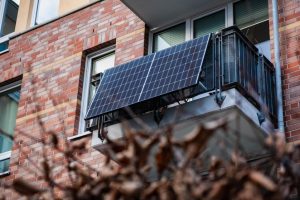
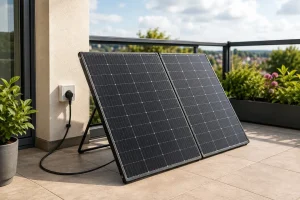
A plug-in solar panel set up on a balcony. (Image Source: UK Green Energy Installers)

What exactly is plug-in solar?

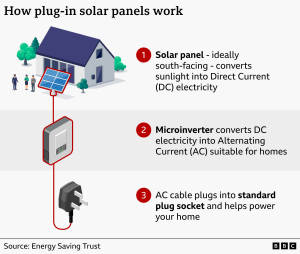
Plug-in solar – sometimes called balcony solar or plug-and-play solar – is a much smaller alternative to a traditional rooftop solar PV installation.A compliant system consists of at least one solar PV module, a microinverter, mounting equipment and a manufacturer-supplied cable and plug.

Instead of being permanently wired into a dedicated solar circuit, the system is designed to connect to a suitable standard UK mains socket.The new UK specification limits a plug-in solar system to 800VA, and only one plug-in solar product per household is permitted under the interim specification. 

Why has the UK Government changed the rules?

Plug-in solar has already become popular in parts of Europe, particularly Germany. The UK Government wants to make small-scale renewable generation accessible to more households, including people who may not have a suitable roof or the budget for a conventional solar PV installation.

Government figures suggest that an 800W plug-in system could provide up to 20% of an average home’s electricity consumption and save a household up to £110 per year, although actual generation and savings will depend heavily on where the panels are positioned and when the household uses electricity.

Where could you put plug-in solar panels?

That’s potentially one of the biggest advantages of the technology. Rather than requiring a full rooftop installation, plug-in panels could potentially be positioned in suitable outdoor spaces or on some balconies.

That could make them attractive to people living in:

  • flats and apartments 
  • rented properties
  • homes with unsuitable roofs
  • properties where a full solar installation isn’t financially viable.

However, “plug-in” doesn’t mean you can simply position panels anywhere. Depending on your property, you may still need permission from your landlord, building owner or freeholder, while planning permission or listed-building consent could also be relevant. 

For the first time, solar PV balcony options could be an option for those living in flats or apartments. (Image: Robert Poorten)

But can you really just plug them in?

This is where homeowners need to be careful. The Institution of Engineering and Technology (IET) has welcomed the potential of plug-in solar but is advising consumers to have their home’s electrical installation assessed by a competent electrician before purchasing or connecting a system.

One particular consideration is the home’s Residual Current Device (RCD) protection. Different types of RCD exist, and some older installations may not necessarily be suitable for plug-in solar. The IET’s research found that while 39% of UK adults thought they would be confident in checking whether their installation was suitable, only 25% knew what type of RCD was installed in their home.

Don’t assume every product you find online is suitable

The change in legislation doesn’t mean that any solar panel with a three-pin plug attached to it is now safe or legal to use. Products need to comply with the relevant UK requirements, and the Government’s interim specification includes requirements covering the microinverter, plug, mounting system, electrical protection and other aspects of the equipment. 

If your chosen location is several metres away from the nearest socket, your first instinct might be to reach for an extension lead, but don’t assume that’s acceptable. The IET says plug-in solar units should typically be connected directly to a suitable socket outlet, and warns that using extension leads or adaptors where they aren’t intended could introduce additional safety risks.

Plug-in solar vs conventional rooftop solar

A conventional solar system can utilise a much larger roof area and therefore potentially generate considerably more electricity. It can also be designed alongside technologies such as home battery storage, EV charging and energy-management systems, allowing households to make much greater use of the energy they generate. However, it also comes with a much higher price-tag, with a traditional install also including costs such as scaffolding, certified installation labour, an inverter and MCS certification.

Plug-in solar is therefore better viewed as another, more affordable, option within the renewable-energy market rather than a replacement for conventional solar PV. For someone living in a flat with a sunny balcony, for example, an 800W system could provide access to solar generation where previously there may have been very few options.

The upfront cost difference is stark, but so is the electricity generation and ongoing savings. (Source: Plugin Solar Expert)

Thinking about plug-in solar? Check your electrics first

If you’re considering buying a plug-in solar system, Carter Renewables can assess your existing electrical installation and advise whether it is suitable before you connect one.

And if you’re considering solar because you want to make a more significant reduction to your household’s grid electricity consumption, it may also be worth comparing plug-in solar against a professionally designed rooftop solar PV and battery storage system before making your decision. With nearly 172,000 solar installations already fitted across the UK during 2026, interest in generating clean electricity at home is clearly continuing to grow.

Thinking about solar? Speak to Carter Renewables about plug-in solar, rooftop solar PV, battery storage and the options available for your property by dropping us a message via our Contact Form, or calling us on 0118 967 7033.

Read More

Prepping the Ultimate Home Office or Study Space: Electrical Essentials

However, in many British homes – especially older properties or spare bedrooms converted into offices – the electrical setup simply wasn’t built to handle the demands of today’s tech. Laptops, extra monitors, desk lamps, phones, and printers often end up plugged into a single socket using a web of trailing extension leads.

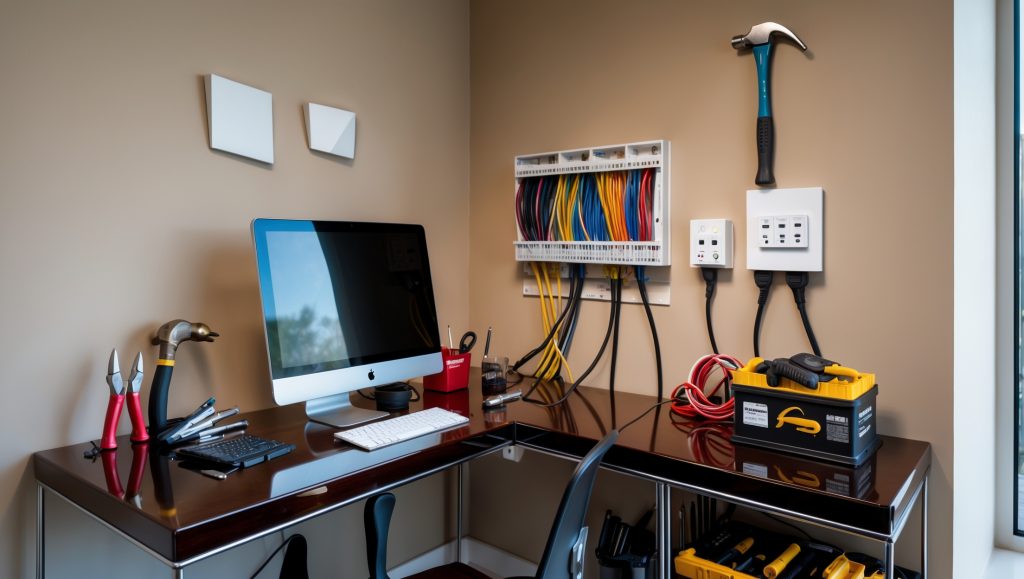
Carter HQ workstation set up of dreams…

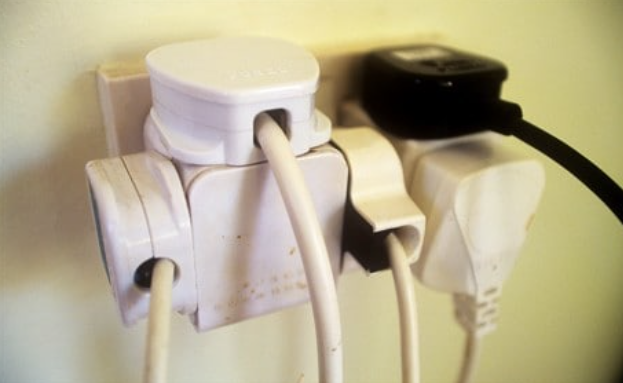
It’s an easy trap to fall into: plugging a multi-way extension lead into another extension lead (known as daisy-chaining) just to get enough sockets behind a desk.

In the UK, standard wall sockets are rated for 13 amps (or around 3,000 watts). While laptops and desk lamps draw relatively low power, multi-plug extension leads easily become a major fire hazard when combined with space heaters, printers, or phone chargers left plugged in continuously.

Not the kind of daisy chain you want to be making this summer!

Red flags to watch for:

  • Multi-way adaptors or extension leads that feel warm to the touch.
  • Discoloured socket faceplates or scorch marks.
  • Fused plugs that frequently blow or trip your consumer unit (fuse box).

Upgrading your work room with additional wall sockets eliminates trailing cables, reduces trip hazards, and keeps your circuit load balanced safely.

3 Electrical Upgrades for a High-Efficiency Study Space

To create a clutter-free, high-performance workspace, consider these simple, high-impact electrical improvements:

1. Upgrade to Double Sockets with Built-in USB-A & USB-C Ports

Why waste precious socket space on bulky plug adaptors? Replacing standard double sockets with modern smart USB sockets allows you to charge laptops, tablets, and phones directly from the wall.

  • Fast Charging: USB-C ports provide high-speed power directly to modern devices without clogging up standard 13A plugs.
  • Neater Desks: Eliminates bulky transformer blocks behind your furniture.

2. Install Dedicated Surge Protection

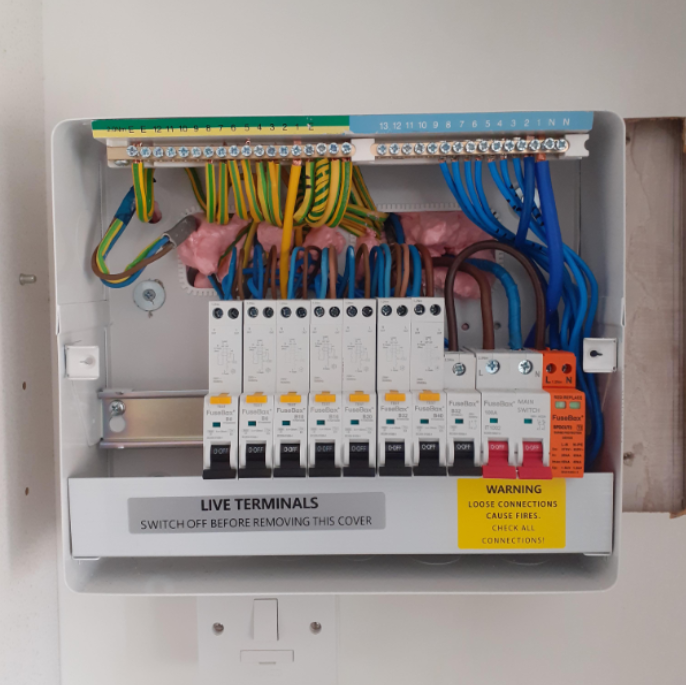
Sudden power spikes – caused by late-summer thunderstorms or local grid fluctuations – can instantly destroy expensive desktop PCs, monitors, and laptops. While basic extension strips offer minimal defense, a Whole-House Surge Protection Device (SPD) installed directly at your consumer unit protects every socket in your home, safeguarding all your expensive tech at once. At Carter Electrical, one of our recommendations is Hager, which offer factory-fitted SPD consumer units as well as retrofit Type 2 modules compatible with their Design 10 and Design 30 board series. 

Surge Protection Device fitted in a standard fuse box. Image credit: JJB Electrical

3. Switch to Flicker-Free LED Task Lighting

Good lighting directly affects concentration, energy levels, and eye strain. Old fluorescent bulbs or low-quality LEDs often have an invisible flicker that causes headaches and eye fatigue during long study sessions.

  • Dimmable LED Downlights or Sconces: Positioned carefully to reduce glare on computer screens.
  • Warm vs. Cool Light: Use cool-white light (4000K) over desk areas to promote alertness and focus during work hours.

Get Your Home Ready for the New Term

A safe, well-designed electrical setup gives your family peace of mind and an environment where everyone can do their best work.

Whether you need a few extra USB sockets installed, dedicated circuit wiring, or a full home electrical safety check, Carter Electrical Installation is here to help.

Ready to upgrade your home study space? Contact our registered electricians today on 01189677033 or admin@carter-electrical.co.uk to book your installation before the back-to-school rush!


Read More

Suns Out, Bills Down: Why June 2026 Is the Ultimate Proof of Solar Power Value

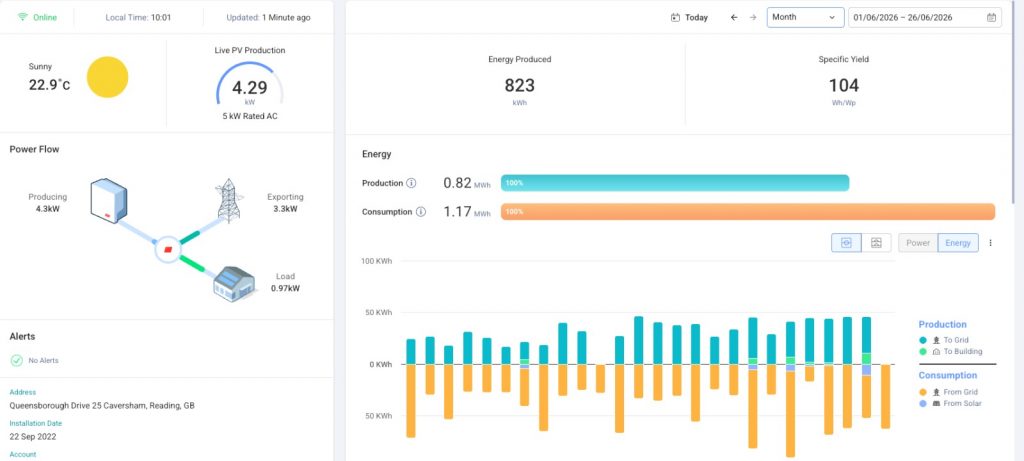
During peak sunshine hours on 26th June 2026, this specific 5 kW system was captured generating a massive 4.3 kW of live PV production. Let’s break down exactly where that clean energy went:

Self-Sustaining Home Load: The house was drawing just 0.97 kW to power its internal appliances, meaning 100% of the household’s daytime needs were fully covered by live sunshine.

Earning via Grid Export: Because production far outpaced demand, the system was actively exporting 3.3 kW straight back to the National Grid. Under modern Smart Export Guarantee (SEG) schemes, this turns a hot day into a direct revenue stream for the homeowner.

2. June 2026 vs. Prior Months & Years: The Comparative Breakdown

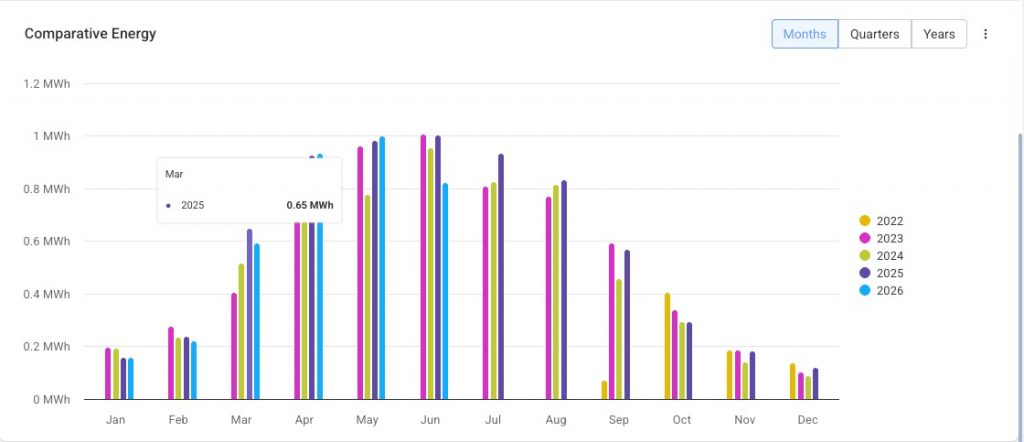
Looking at historical production curves from 2022 through to June 2026, the performance timeline illustrates a classic seasonal arc alongside outstanding yearly reliability:

  • The Mid-Year Leap: Early in the year (January and February), generation naturally hovered at a modest baseline between 0.15 MWh and 0.25 MWh. However, as the UK transitions into spring and summer, production accelerates sharply. March 2025 yielded 0.65 MWh, while April and May consistently pushed toward the 1.0 MWh boundary.
  • June Consistency: June data across consecutive years proves that mid-summer acts as the foundational engine for your annual energy yield. In June 2023 and June 2025, generation reached maximum historical heights, touching a stellar 1.0 MWh threshold. For the partial billing period up to the 26th June 2026, the system had already banked 0.82 MWh (823 kWh) of total Energy Produced, tracking perfectly to rival previous record-breaking summers.

3. Tangible Environmental Benefits

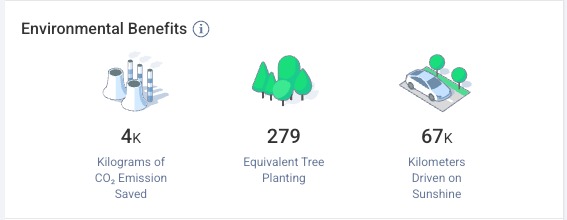
Embracing solar isn’t purely a financial win; the atmospheric and ecological metrics generated by this single Caversham installation paint a clear picture of sustainable impact:

  • 4K (4,000 Kilograms) of CO₂ Emissions Saved: Directly preventing fossil fuel generation from offsetting our local atmosphere.
  • 279 Equivalent Trees Planted: The carbon offset equivalent of a maturing neighbourhood woodland.
  • 67 Kilometers Driven on Sunshine: Enough clean energy generated to power an electric vehicle roughly 1.6 times entirely around the Earth using nothing but solar rays.

On this day alone the homeowner earned export revenue while running the house almost entirely on free solar!

Is Your Home Ready for the Rest of the Summer?

The comparative data shows us that summer generation isn’t an anomaly – it is a predictable annual event. Every month your roof remains unutilised during peak heatwaves is a month of missed savings, grid reliance, and lost export revenue.

Whether you are looking to secure a standard residential solar array, integrate a battery system to capture daytime generation for night use, or future-proof your vehicle charging, Carter Renewables has the local expertise to deliver certified, high-yield results.

Get in Touch with Carter Renewables today. Let’s look at your roof orientation and build a tailored solar system design to turn your summer heatwaves into long-term financial security. Contact our friendly team today for a free home assessment, or drop us a line on 01189677033.

Read More

The Ultimate High-Tech Father’s Day Gift Guide (That Might Require an Electrician!)

However, the best modern tech doesn’t just plug into a standard extension lead. The latest and greatest gear often needs a bit of serious power behind it.

For the Eco-Conscious Driver: Next-Gen Home EV Chargers

If Dad has recently made the switch to an electric vehicle (or has one on his wish list), a standard 3-pin plug top-up just isn’t going to cut it anymore.

  • The Gadget: The newest smart home chargers on the UK market integrate seamlessly with dynamic energy tariffs (like Intelligent Octopus Go). They allow Dad to automatically track carbon footprints, schedule charging for the cheapest overnight rates, and even balance power loads so the house doesn’t trip when the car is plugged in.
  • Why you need an electrician: You absolutely cannot (we repeat, cannot!) DIY an EV charger installation. It requires a dedicated circuit, specific safety earthing configurations, and an upgrade to your consumer unit (fuse box) to handle the heavy load safely. Call in the EV experts (us) and we’ll get your charger up and running in no time.
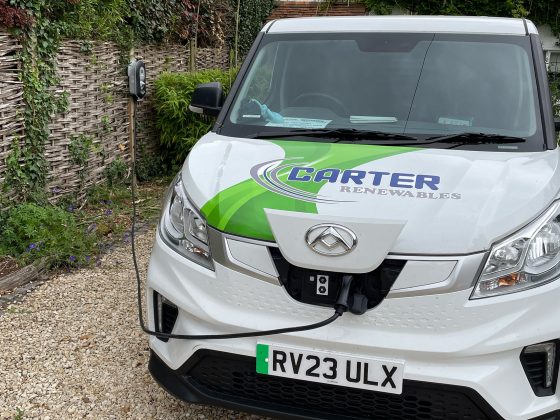
*van not included in installation!

For the Ultimate Host: The PerfectDraft Pro

Does Dad love a cold pint? The home draught beer market has exploded, and the latest premium machines bring the pub directly to the kitchen counter or garage workshop.

  • The Gadget: The PerfectDraft Pro is the current king of home pours. It features app-controlled temperature settings, volume tracking, and cools 6-litre kegs to a perfect 3°C.
  • Why you need an electrician: While the machine itself plugs into the wall, Dad’s dream of a “man cave” garage bar or a sleek kitchen island beer station often runs into a common issue: a lack of accessible sockets. Running safe, neatly hidden power to a garage, outbuilding, or kitchen island is a quick win for a professional sparky. Carter Electrical are a NICEIC accredited company, meaning all work we carry out is fully compliant with UK electrical regulations and completed to the highest standards.
https://youtu.be/-jziSumDoiQ?si=pU8rK-ZSZyRuSSRJ
While you can set up this gadget yourself, contact us for all your other dad’s man-cave needs.

For the Gadget-Obsessed Protector: Ultion Nuki Smart Lock

For the dad who loves home security and hates carrying keys, smart locks are the ultimate upgrade.

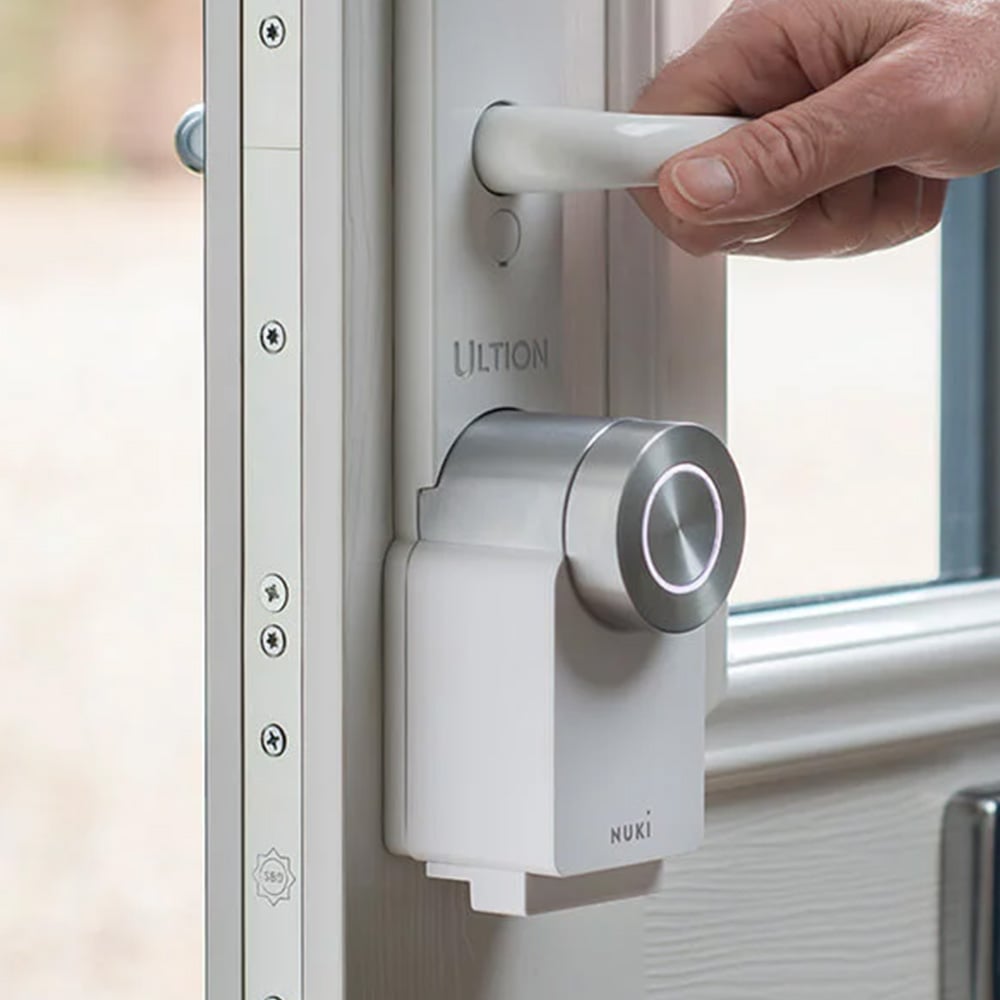
  • The Gadget: Built specifically for UK doors, the Ultion Nuki is a massive hit. It features built-in Wi-Fi, fingerprint recognition, and automatically unlocks the front door as Dad approaches with his phone in his pocket.
  • Why you need an electrician: While many smart locks are battery-powered, a truly robust home security system – complete with the latest 4K video doorbells and floodlight cameras – requires a permanent, hardwired power supply. As electricians, we can wire these in seamlessly, ensuring there are no ugly wires trailing down the front of the house and no batteries to constantly replace.
Buy peace of mind this Father’s Day.

For the Garden King: Philips Hue Outdoor Smart Lighting

If Dad takes pride in his garden or loves a summer BBQ, outdoor smart lighting will completely transform his evenings.

  • The Gadget: The Philips Hue Outdoor range features weatherproof LED smart spots, wall lights, and colour-changing strip lights. They can be controlled via voice, programmed to turn on at sunset, or even synced to change colour alongside his favorite music.
  • Why you need an electrician: Water and electricity do not mix. Installing outdoor lighting requires specialized IP-rated (Ingress Protection) weatherproof enclosures, armored cabling (SWA) buried safely beneath the garden, and GFCI/RCD protection to ensure the family stays safe while enjoying the garden.
#dreamy

The Ultimate Father’s Day Move: Want to really blow him away? Gift him the tech and book our team to come and install it safely. Let us handle the power – don’t let Dad risk a DIY disaster this Father’s Day! Whether he needs a new outdoor socket for his beer machine, a hardwired security setup, or a full EV charger installation, our team of fully qualified, certified electricians is here to help.

Read More

Getting Off the Fossil Fuel Rollercoaster: What the New Energy Reforms Mean for You

Why is this happening?

Currently, the UK uses a “marginal pricing” system. This means the most expensive form of generation needed to meet demand (usually gas) sets the price for all electricity.

The new government plans aim to shift the UK toward a system where the lower cost of renewables – like solar and wind – is directly reflected in your monthly statement. By moving generators onto long-term, fixed-price contracts, the government is effectively “decoupling” green energy from the unpredictable fossil fuel market.

What it means for you

  • Price Stability: You will be better protected from “price shocks” caused by global events. The goal is to make energy bills predictable rather than a monthly source of stress.
  • Lower Bills for Greener Homes: For those already using low-carbon technology, the financial benefits are set to increase as electricity becomes structurally cheaper than gas.
  • Increased Support for Rural Households: If you rely on heating oil or LPG, the Boiler Upgrade Scheme (BUS) grant has been increased to £9,000. This makes switching to an electric heat pump more affordable than ever.
  • Social Housing Upgrades: An additional £100 million has been pledged to install solar panels and energy efficiency measures in social housing, aiming to cut bills for thousands of families.
https://www.youtube.com/watch?v=w2oZv8I52Hw
This video provides further context on why unlinking gas and electricity prices is a critical step for UK energy infrastructure and consumer protection.

How Carter Renewables can support your transition

The message from the government is clear: The era of clean energy security has arrived. At Carter Renewables, we are ready to help you take control of your own energy production so you aren’t just waiting for policy changes to lower your costs.

1. Solar PV & Battery Storage

By installing solar panels, you aren’t just breaking the link between gas and electricity—you’re breaking your reliance on the grid entirely. Adding battery storage allows you to use your homegrown power at night, shielding you 100% from market volatility.

2. Heat Pump Installations

With the Boiler Upgrade Scheme now offering up to £9,000, there has never been a better time to ditch the fossil fuel boiler. We can design and install a bespoke air-source heat pump system tailored to your property.

3. EV Charging Solutions

As the government introduces new “permitted development rights,” installing an EV charger is becoming simpler. We provide smart charging solutions that can integrate with your solar panels, allowing you to “drive on sunshine.”

Next Steps

The “fossil fuel rollercoaster” is slowing down, and the transition to a renewably powered UK is accelerating. Whether you are a homeowner looking to lower your bills or a business aiming for energy independence, we are here to guide you.

Ready to start your journey? Contact the Carter Renewables team today for a free site survey and energy assessment. Let’s build a more secure, greener future together.

Read More

Spring Savings: Why April’s Price Drop is More Than Meets the Eye

For a long time, the “standing charge” – that daily fee you pay just to be connected to the grid – has been a major frustration. This April, a chunk of the green energy costs is being moved off that flat daily fee and onto the “unit rate” (the price for the power you actually use).

This is great news if you’re careful with your electricity. If you’ve invested in energy-efficient lighting or smart controls, you’ll feel the benefit of this change more than most. You aren’t being “taxed” as heavily just for having a meter on the wall, so the less you use, the more you save.

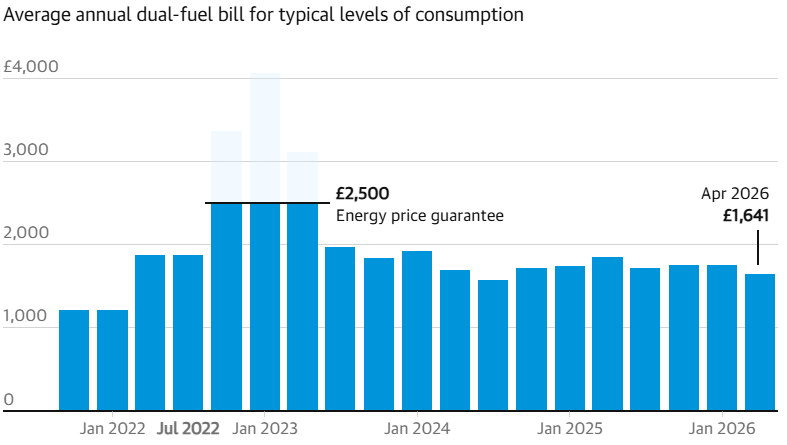
Graphic: Guardian. Source: Ofgem. Note: assumes default cap and direct debit payment, cash prices

The Hidden “Modernisation Fee”

You might notice that the price drop isn’t quite as big as it could have been. That’s because part of your bill is now finally being used to upgrade the UK’s ageing electrical grid. Our infrastructure hasn’t been touched in decades, and as more of us switch to electric cars and heat pumps, the cables under our streets need to be stronger. We like to think of this as future-proofing. It’s the groundwork that will eventually allow us all to sell solar power back to the grid and keep the lights on during the busiest winter nights.

The Gadgets That Do the Hard Work for You

To really see the benefits of these new rates, you need to be able to “shift” your energy use to the cheapest times of day. The good news is that you don’t have to stay up until three am to turn the washing machine on!

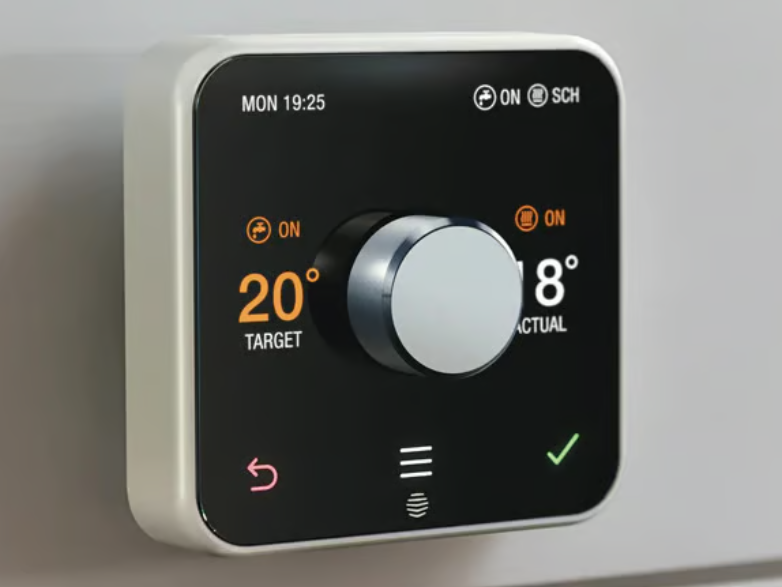
Modern smart plugs and energy monitors have become incredibly simple to use. A smart plug can be scheduled from your phone to turn on your appliances or charge your laptop only when the “off-peak” rates kick in. If you want to go a step further, smart thermostats like Hive or Nest now learn your routine and can automatically dial down the heating when they know the house is empty, or when energy prices spike during the evening rush.

Take control (or let a smart thermostat take control for you)

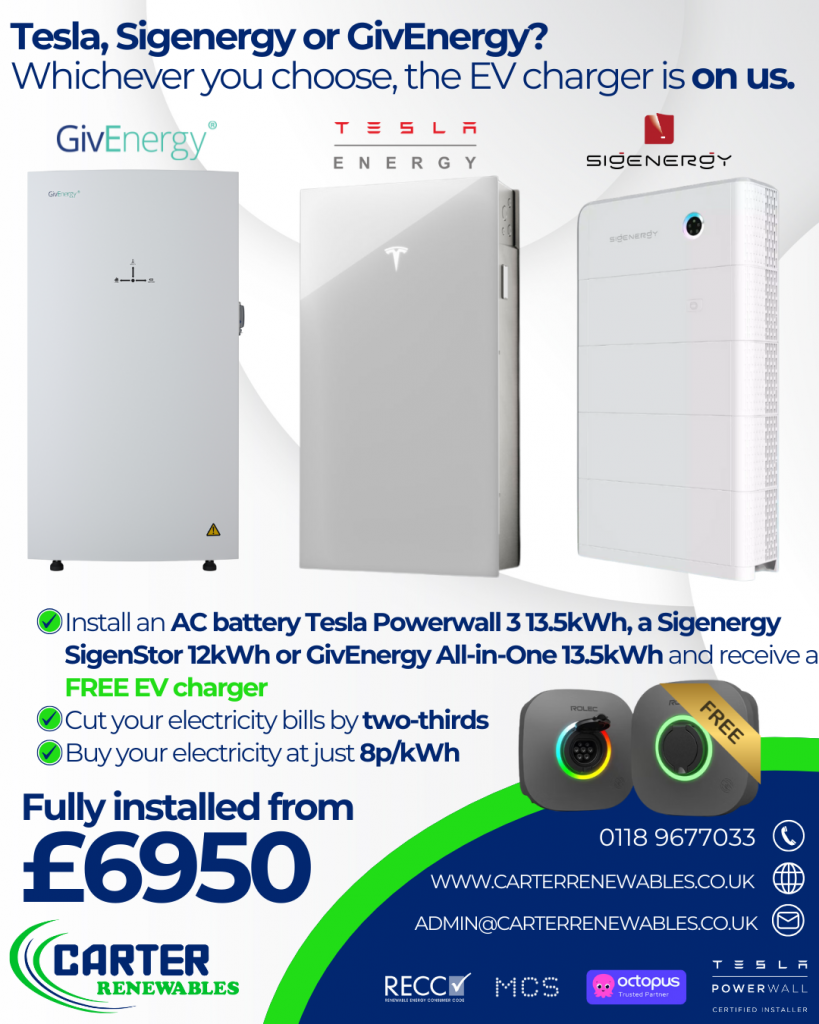
For those looking at the bigger picture, home battery systems have become a game-changer this year. These systems act like a giant “energy sponge,” soaking up cheap electricity overnight or from your solar panels during the day, and then feeding it back to your house when prices are highest. Our top three as an installation company are definitely the Tesla Powerwall 3, Sigenergy Sigenstor and GivEnergy All-in-One.

We’re Here to Help


Read More

Safety First: Why an EICR is the Most Important Check Your Property Needs

Think of an EICR as a “Health Check” or an “MOT” for your property’s electrics. A qualified electrician carries out a thorough assessment of your fixed wiring and electrical installation, looking for:

  • Overloaded circuits that could cause overheating.
  • Electric shock risks or fire hazards.
  • Defective electrical work that doesn’t meet current BS 7671 safety standards.
  • Lack of earthing or bonding, which is vital for safety.


3 Reasons You Can’t Ignore Your EICR

1. It Could Save Lives

Electrical fires account for over 53% of domestic blazes in the UK. An EICR identifies problems like loose connections, deteriorated insulation, and frayed wires before they have a chance to cause serious harm. It also confirms that your RCDs (residual current devices) are working correctly, so your system shuts off instantly if a fault develops.

2. Legal Compliance for Landlords

If you are a landlord, an EICR isn’t just a “nice to have” – it’s the law. Under the Electrical Safety Standards in the Private Rented Sector (England) Regulations 2020, rental properties must be inspected at least every five years. Failure to comply can result in fines of up to £30,000, and more importantly, puts your tenants at real risk. We regularly carry out EICR testing in Reading and the surrounding areas, and the state of some installations we come across, excuse the pun, can be shocking.

3. It Protects you Financially

If an electrical fire occurs and you can’t provide a valid EICR, your insurer may reject your claim. For a relatively small outlay, an electrical inspection in Reading from Carter Electrical protects you against potentially significant financial and legal consequences.

How Often Do You Need an EICR?

The standard recommendation is every ten years for owner-occupied homes and every five years for rental properties. But you should also book an EICR if:

  • You’re buying a property (don’t inherit someone else’s electrical problems)
  • The property has been empty for a long time
  • You’re experiencing flickering lights, burning smells, or regularly tripping circuit breakers

If you’re unsure, it’s always worth getting a professional opinion. Our team is happy to advise.

A tell-tale sign you probably should have booked that EICR testing.

What About Electrical Appliances? Do They Need Testing Too?

This is a question we get asked a lot. EICR testing only covers fixed electrical installations: the wiring, consumer unit, sockets, and fittings built into your property. It doesn’t cover portable appliances like fridges, washing machines, or TVs. For landlords, we’d strongly recommend arranging portable appliance testing (PAT) for any electrical items you supply with the property. It’s not a legal requirement, but it demonstrates due diligence and gives tenants confidence. Tenants and homeowners are responsible for ensuring their own appliances are safe.

Landlord of a furnished property? Make sure your appliances are PAT tested!

Why Choose Carter Electrical for Your EICR in Reading?

An EICR is only as good as the person carrying it out. Our team doesn’t tick boxes and move on. We provide an honest, comprehensive assessment using the latest testing equipment. Every circuit is verified, and we give you a clear report with straightforward advice on any work that needs doing. We can carry out any remedial work ourselves, so you’re not left chasing multiple contractors.

As well as EICR testing, Carter Electrical also provide the following services:

  • House electrical testing
  • Home extension electrical testing
  • Electrical wiring inspection and testing
  • Full electrical installations across Reading and the surrounding area
Read More

Spring into Savings: Why Now is the Perfect Time for Solar in the UK

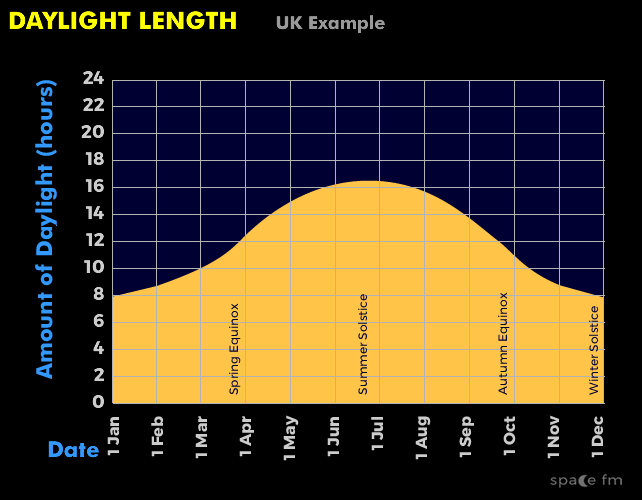
Let’s talk numbers. The UK sees a dramatic increase in daylight hours as we move out of winter and into spring. In December, you might be lucky to get 8 hours of daylight, with effective sunlight hours for solar generation being even less. However, by April, we’re enjoying around 14 hours of daylight, and this continues to climb, peaking at over 16 hours per day in June.

Facts (or graphs) don’t lie…

More daylight directly translates to more sunshine, and more sunshine means significantly more energy generation for your solar panels. Getting your panels installed in spring means you’re perfectly positioned to capture the vast majority of the year’s best solar generation months. You’ll hit the ground running, soaking up those rays and converting them into clean, free electricity right when the days are longest and brightest.

Solar Side Hustle

So, what does this increased sunlight mean for your energy bill? A typical 4kWp solar panel system in the UK can generate approximately 3,400 kWh of electricity annually. By installing in spring, you ensure your system is operational and ready to capitalise on the peak generation period from late spring through to early autumn, which accounts for the lion’s share of this annual output.

Consider this: with current electricity prices fluctuating, many households are paying upwards of 25p per kWh. Generating your own electricity means you’re not buying it from the grid at these prices. This could translate to potential annual savings of £850 or more on your electricity bill! Over the 20-25 year lifespan of your solar panels, these savings can amount to tens of thousands of pounds.

Furthermore, any surplus energy you generate can be exported back to the grid through schemes like the Smart Export Guarantee (SEG), providing you with an additional income stream. Imagine getting paid for the electricity you don’t even use, all self-generated by your own panels!

Beyond Generation: Storing Your Sunshine

While generating electricity is fantastic, storing it is even better. Many solar installations now include battery storage solutions. Installing solar in spring allows you to start filling your battery with free, clean energy as soon as it’s installed. This means you can power your home in the evenings with the energy you generated earlier in the day, further reducing your reliance on expensive grid electricity. What’s more, Carter Renewables currently have a live promotion, giving you a completely free Rolec EVO EV charger if you install a Tesla Powerwall 3 13.5kWh, a Signenergy Sigenstor 12kWh or a GivEnergy All-in-One 13.5kWh AC battery – this is a deal not to be missed!

Why Not Wait for Summer?

While summer offers the absolute peak of sunlight, installing in spring means you avoid the inevitable rush (trust us on this one, we see it every year!). As temperatures rise and the summer holidays approach, installation companies often experience increased demand, which can lead to longer waiting times. By getting ahead of the curve in spring, you can often benefit from quicker installation slots and have your system up and running well before the height of summer.

The Smart, Sustainable Choice

Installing solar panels is not just a financial decision; it’s a commitment to a more sustainable future. Reducing your carbon footprint and contributing to the UK’s renewable energy goals is a powerful benefit. And doing it in spring means you maximise that positive impact from day one.

Read More

The Rooftop Revolution: Could Your Home Go Energy Bill-Free in 2026?

In short: more money in your pocket! The government’s plan focuses on making solar panels a standard feature rather than a luxury. For those moving into new-build homes, solar panels are set to become the “default,” meaning your new nest could be generating its own clean, green energy from the moment you get the keys.

But it’s not just for new builds. Through the Warm Homes Plan, there’s a massive push (and some handy funding) to help existing homeowners retro-fit solar panels and battery storage. By generating your own power, you’re less reliant on the National Grid and those pesky price hikes. Imagine boiling the kettle or running the Christmas lights next year knowing the summer sun helped pay for it!

Building on the already-existing Boiler Upgrade Scheme, whereby customers can get a £7500 grant to replace an old boiler with a brand-new heat pump, other restrictions have lifted, eliminating the need for homeowners to obtain planning approval before installing a heat pump, as well as the old ‘one-metre rule’, which previously stipulated that heat pumps had to be sited at least one metre away from a property boundary to help mitigate noise concerns about heat pumps when in operation.

Make it your 2026 resolution to check out the Boiler Upgrade Scheme and bag yourself one of these sleek heat pumps.

What is the catch?

It sounds like a dream, right? Well, like all good things, there are a few “it depends.” The biggest hurdle for most is the upfront cost. While the government is working on grants and low-interest loans, a full solar setup is still a significant investment. However, watch this space, as news on solar grants are expected to be announced later this month, with poorer households getting greater help with upfront costs.

Festive socks always warm up better against a radiator powered by your own energy, that’s a fact.

There’s also the “shady” side of things – literally! Not every roof is a perfect candidate: if your home is tucked under a giant oak tree or has a north-facing roof, you might not see those “zero-bill” results. Furthermore, to truly hit those £0 bills, you usually need a battery storage system to keep the power you’ve made during the day ready for when the sun goes down.

Why 2026 is the year of the “Smart Home”

It’s not just about the panels on the roof; it’s about how you use the power. We’re seeing a huge shift toward smart tech that talks to your solar system. From EV chargers that only kick in when your panels are peaking, to smart water heaters that soak up excess energy, the goal is to keep every watt of homegrown electricity inside your four walls. At Carter Electrical, we’re already seeing more of you asking about how to integrate batteries and smart tech into your systems. It’s a great way to future-proof your home and gain some serious energy independence.

Solar power has emerged as the cornerstone of the Warm Homes Plan, with existing homes getting the same treatment as cutting-edge new-builds.

Let’s get your home “Summer Ready” in January!

We know it’s cold and grey outside right now, but January is actually the perfect time to start planning. Beat the springtime rush and get your home assessed for solar, in readiness for the warmer days to come. Whether you’re looking to add a battery to an existing system or you’re starting your green journey from scratch, we’re here to help you navigate the jargon and find the best fit, and quote, for your roof.


Read More